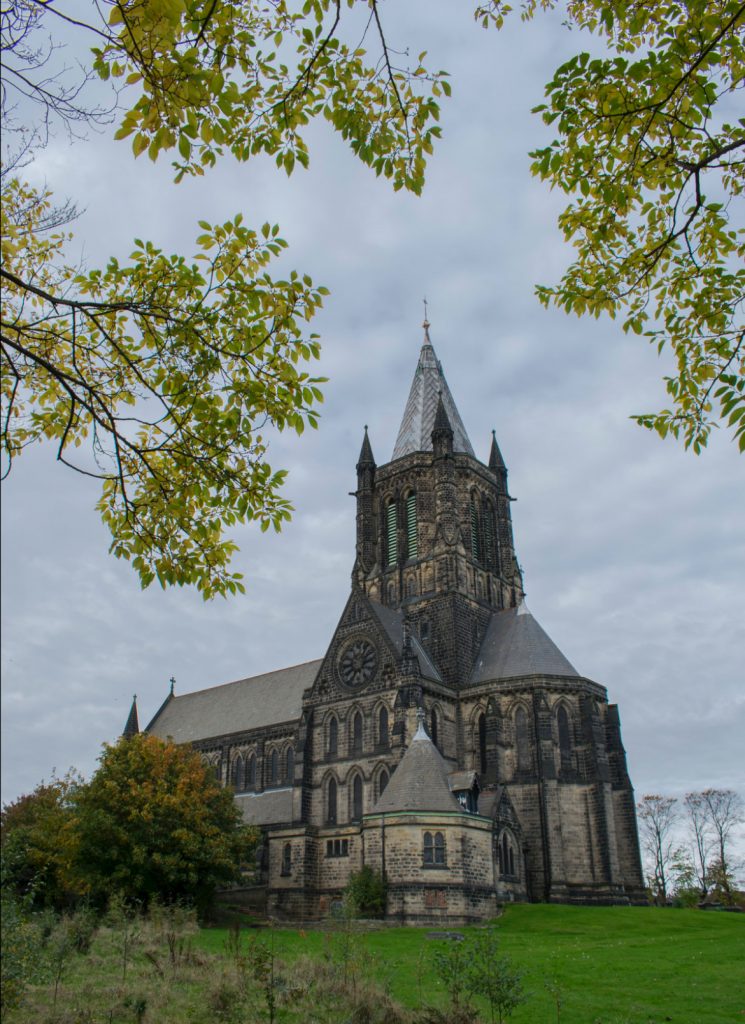
M.A. students from Leeds University were asked to contribute to the development of an Augmented Reality Heritage Trail in Armley, using digital storytelling and creative technology to animate local history. In collaboration with St. Bartholomew’s Church and The Highrise Project, the project aimed to investigate the history and heritage surrounding the Armley Schulze Organ.
Students were asked to examine the churchs’ archive, research the organ’s history, and identify relevant materials that could contribute to a future AR experience.
They were also asked to help design and facilitate workshops that invited residents to respond to the organ’s history through art, writing, sound, or digital media, to support content creation and community engagement for an AR trail set to launch in 2027.
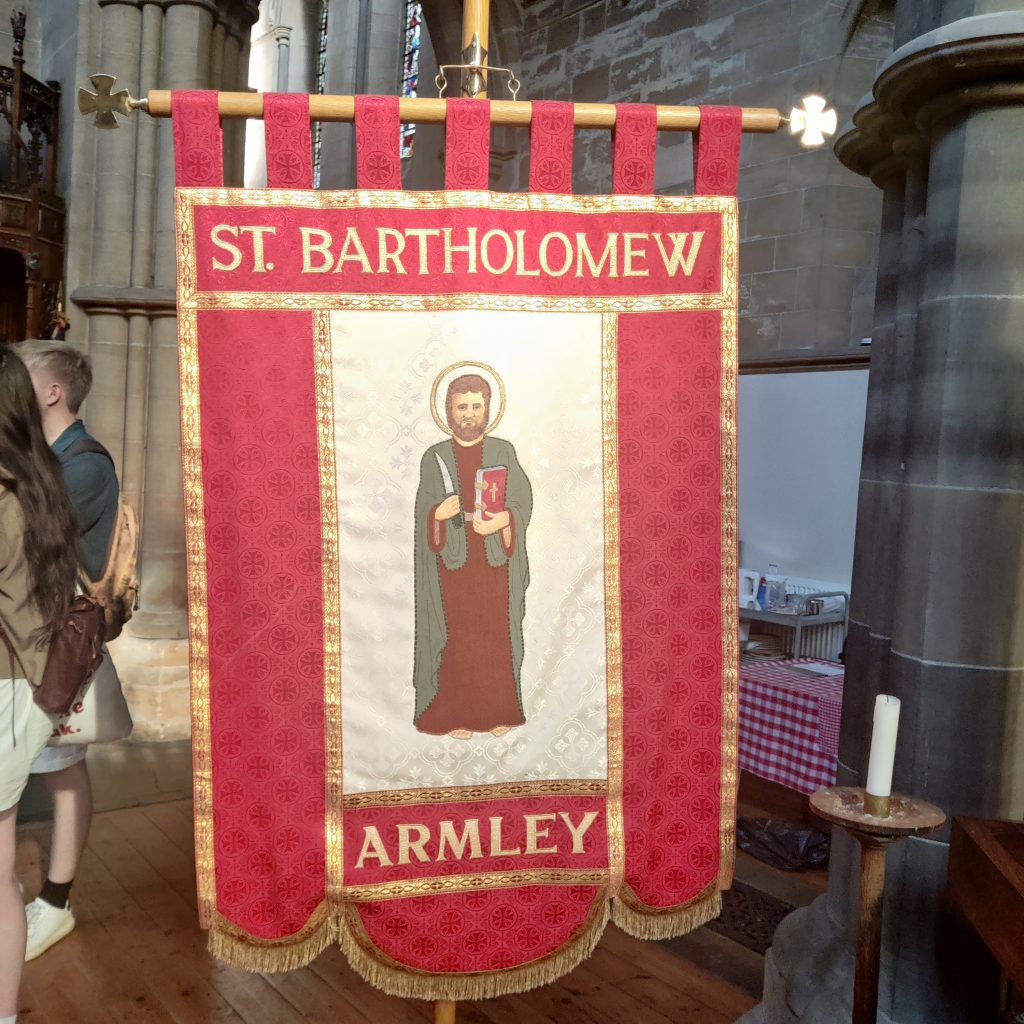
Visit to St Bartholomews & Armley
Lorem ipsum dolor sit amet, consectetur adipiscing elit. Ut elit tellus, luctus nec ullamcorper mattis, pulvinar dapibus leo.
The Archive
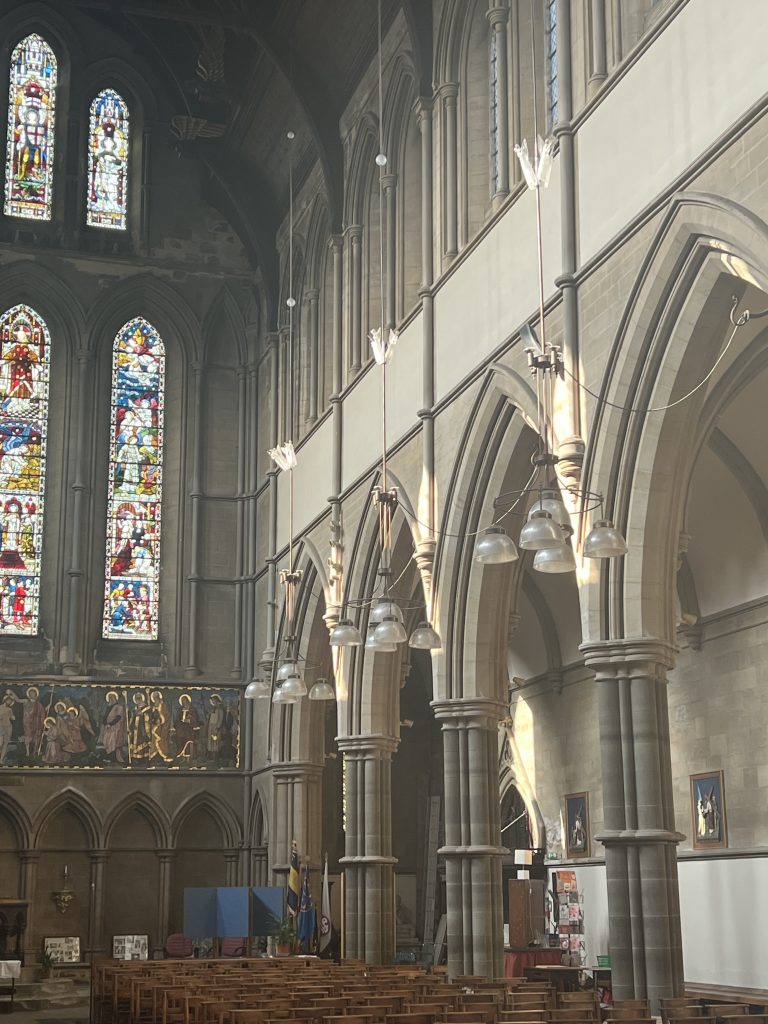
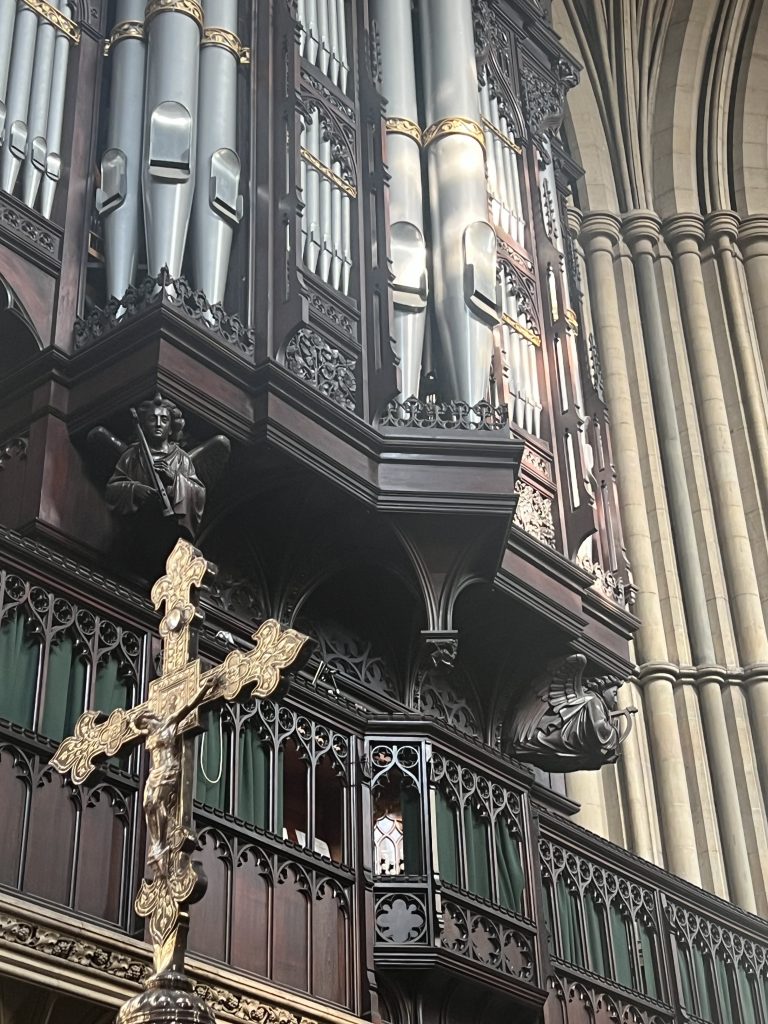
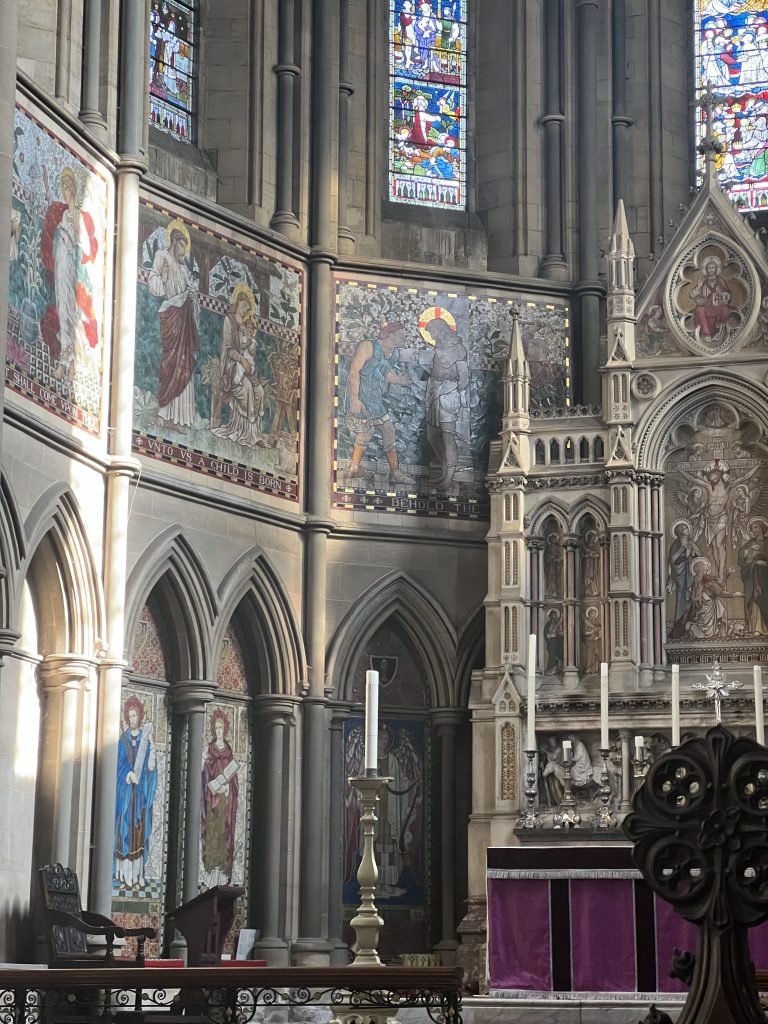
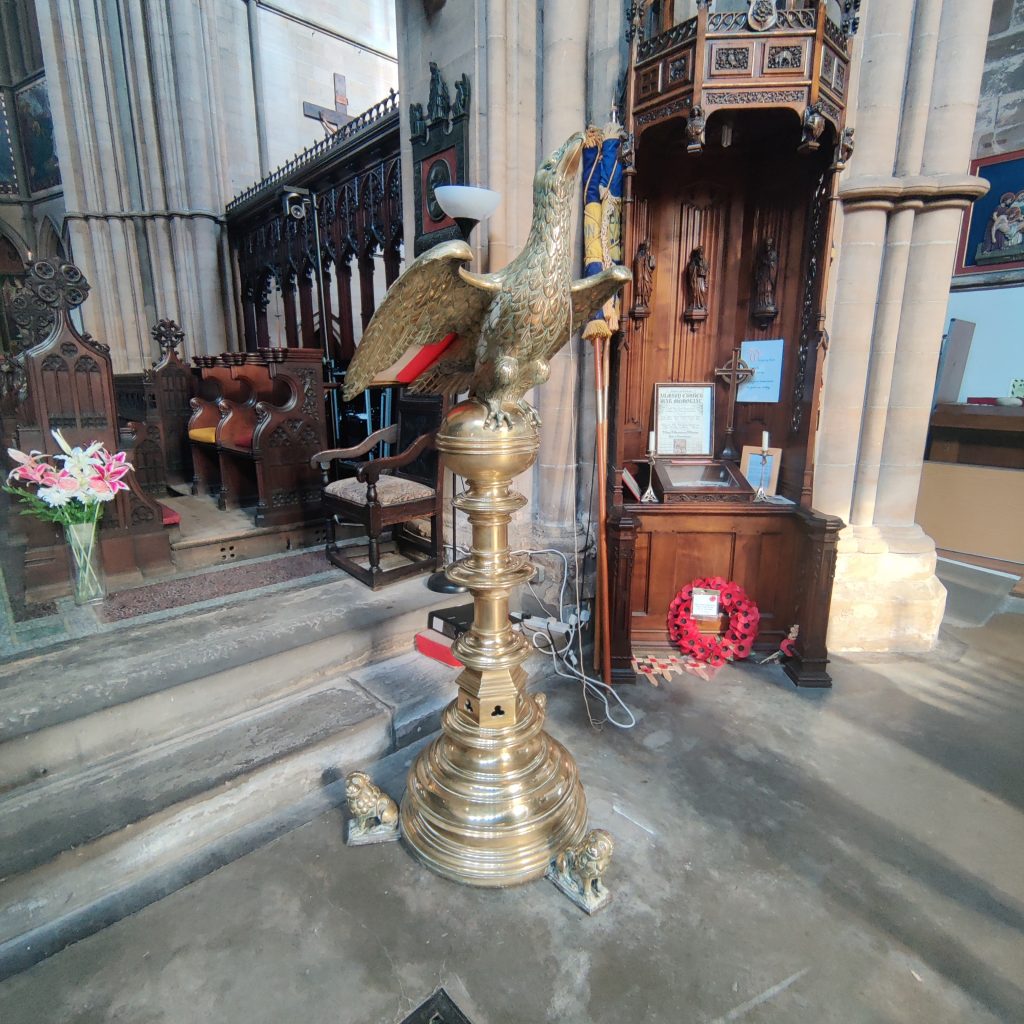
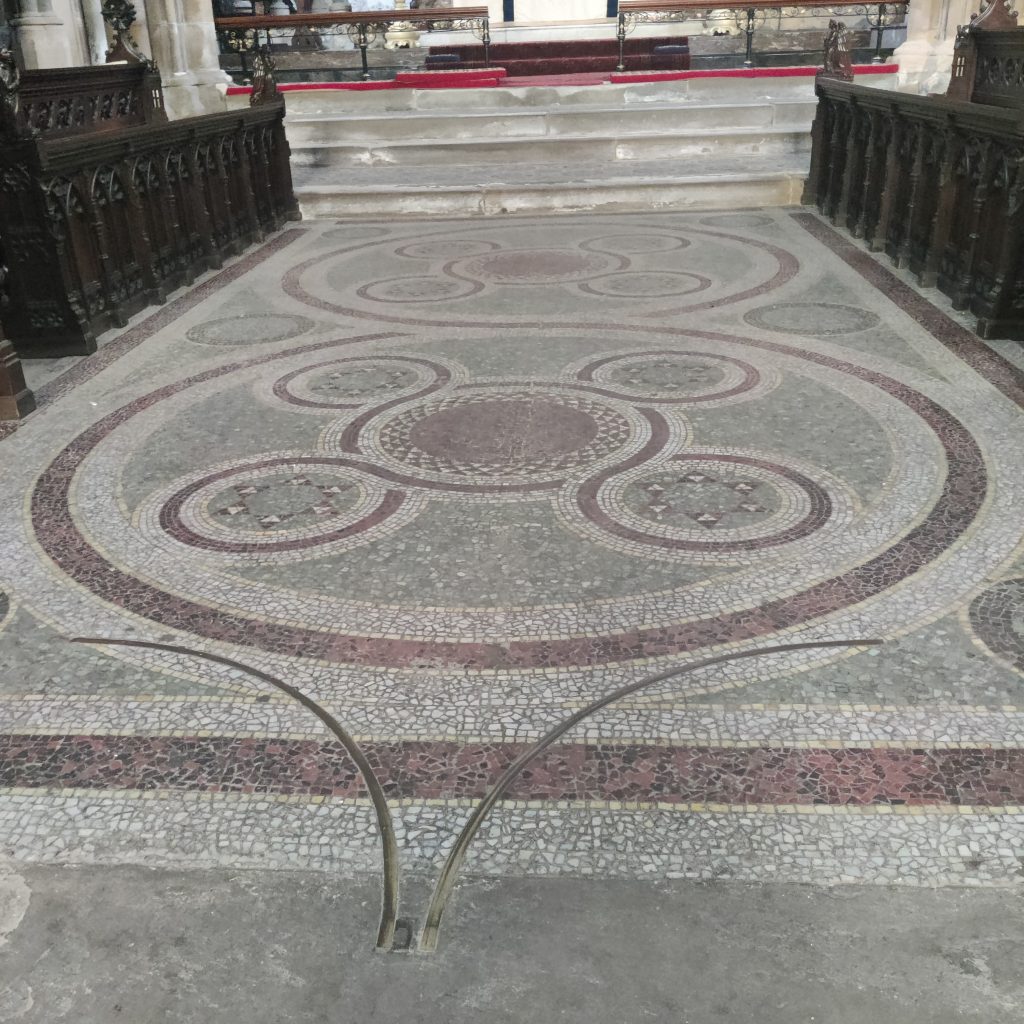
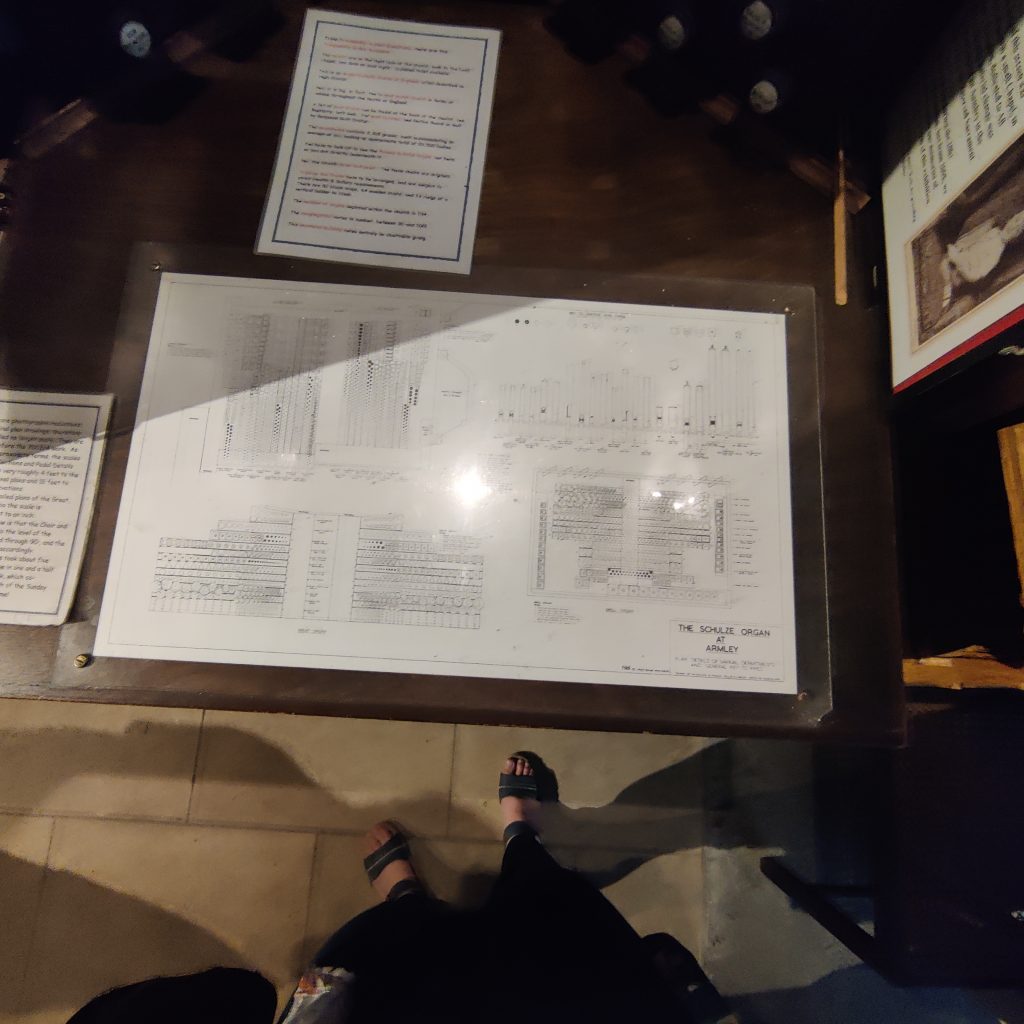
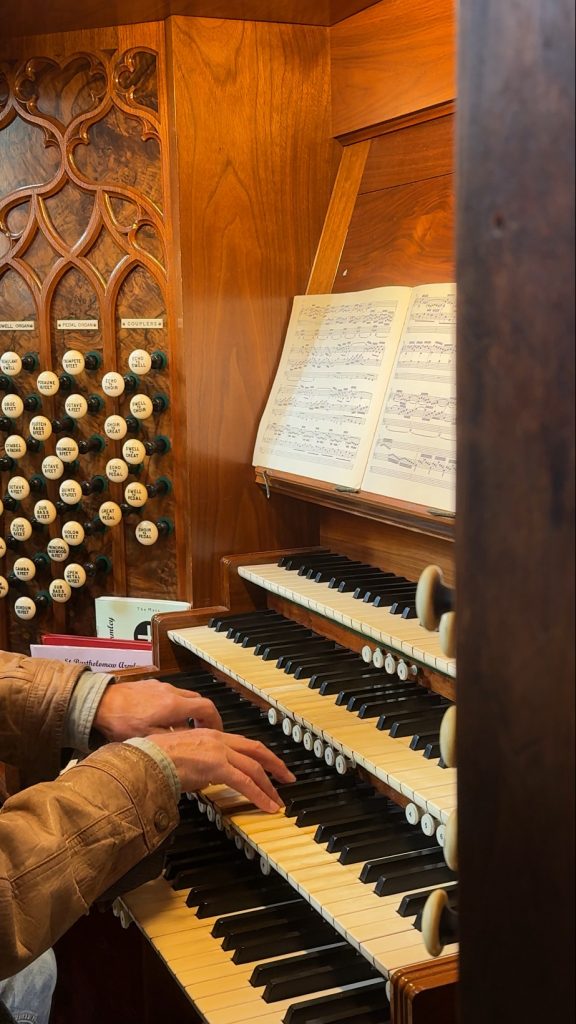
St. Bartholomew’s Church, built in 1877, is a large Gothic revival building that reflects the wealth of that period. Its earlier chapel was expanded through Gott’s patronage in 1825. The church houses the Schulze Organ, built in 1869 by J.F. Schulze & Sons for engineer Thomas Stuart Kennedy’s home at Meanwood Towers. It was moved on loan to St. Peter’s, Harrogate, and then installed in 1879 at St. Bartholomew’s Church, Armley on a purpose-built stone gallery in the North Transept, together with a new facade by Leeds architects Athron & Walker; at the same time, there were major additions to the pedal division, the work overseen by Sheffield builders Brindley & Foster, in collaboration with the Schulze company. Later adjustments were made by J.J. Binns (1905) and Harrison & Harrison (2004). The organ is Grade II* listed by the British Institute of Organ Studies and is considered one of the most influential 19th-century pipe organs in the UK.
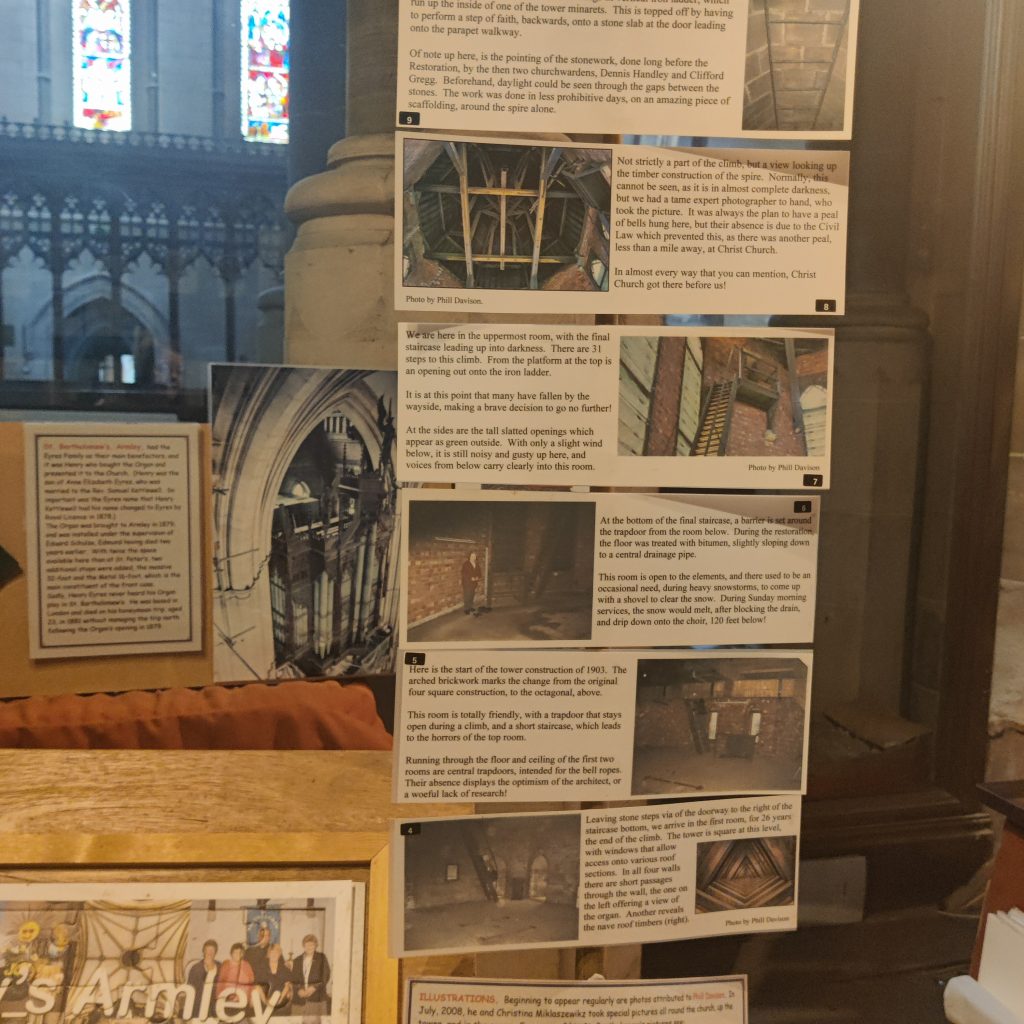
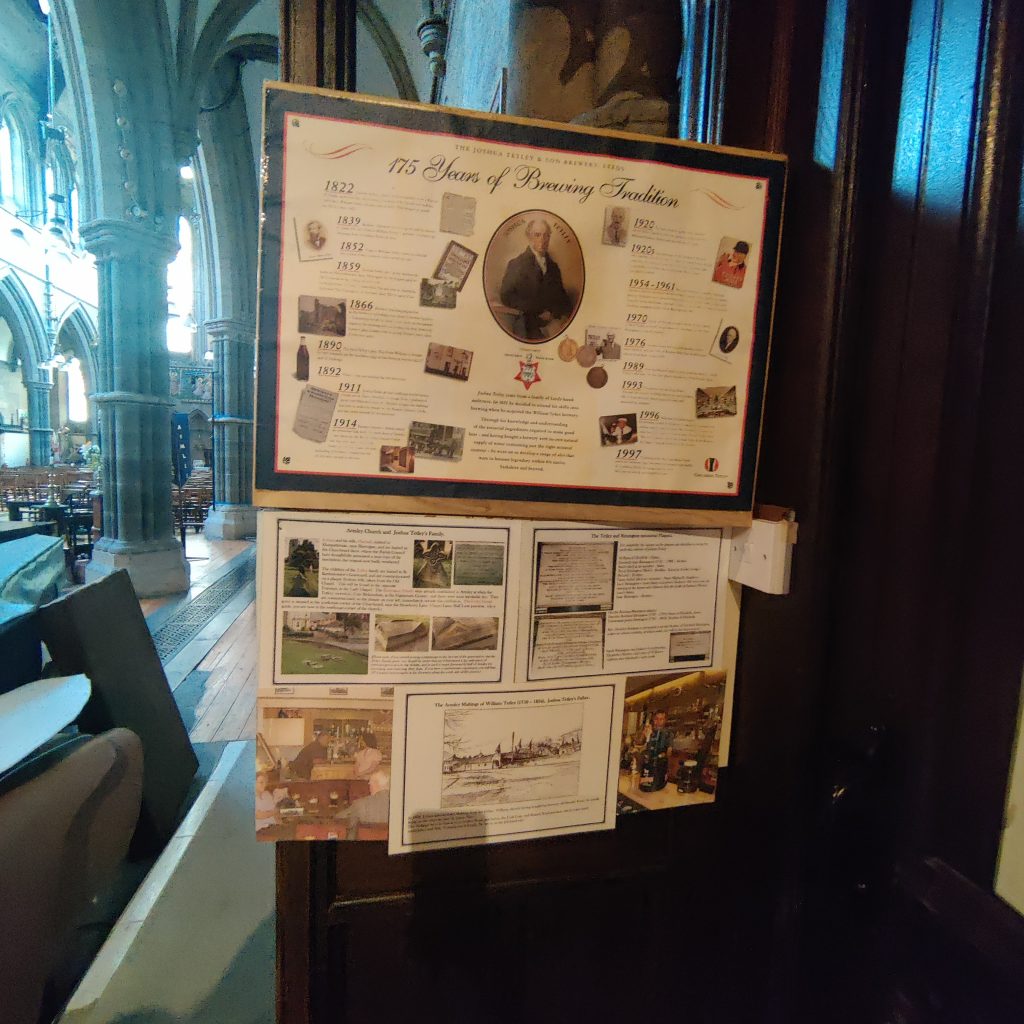
The Archive at St Bartholomew’s Church consists of articles photographs and items collected through the years by volunteers at the church. Including models, pamphlets, books, maps and timelines. It is eclectic and chamingly chaotic, found in a small annex of the church. The amount of information within the archive is overwhelmingly complex and in need of some TLC
Exhibition and Workshop
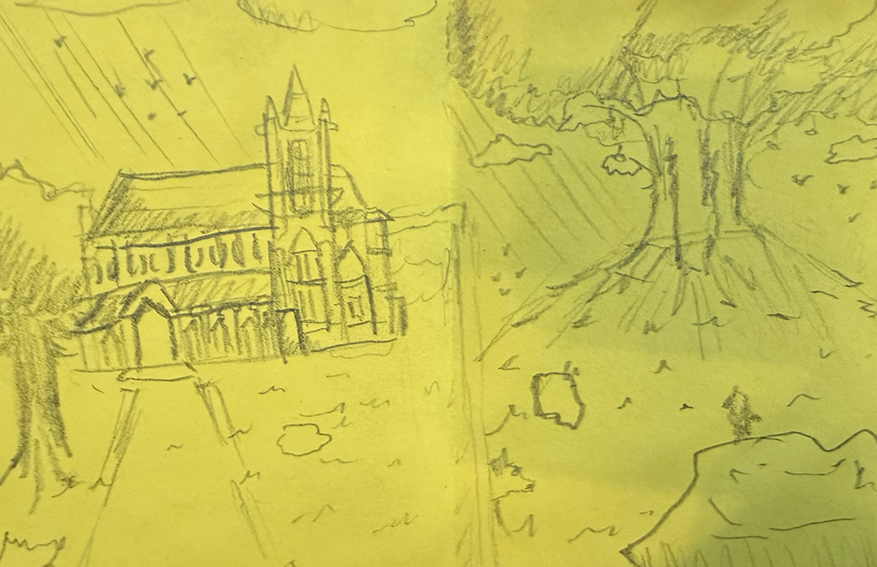
As part of understanding the community response to the archive and the organ students were tasked with designing a workshop that would gather responses from communities. This workshop took place at a community art exhibition organised by the church. Students created workshop plans that would encourage local residents to thing about their relationship to the space and the organ. They played sounds of the organ throughout the works and asked participants to respond. Many particpants chose to draw the space around them.
Creating A.R Responses
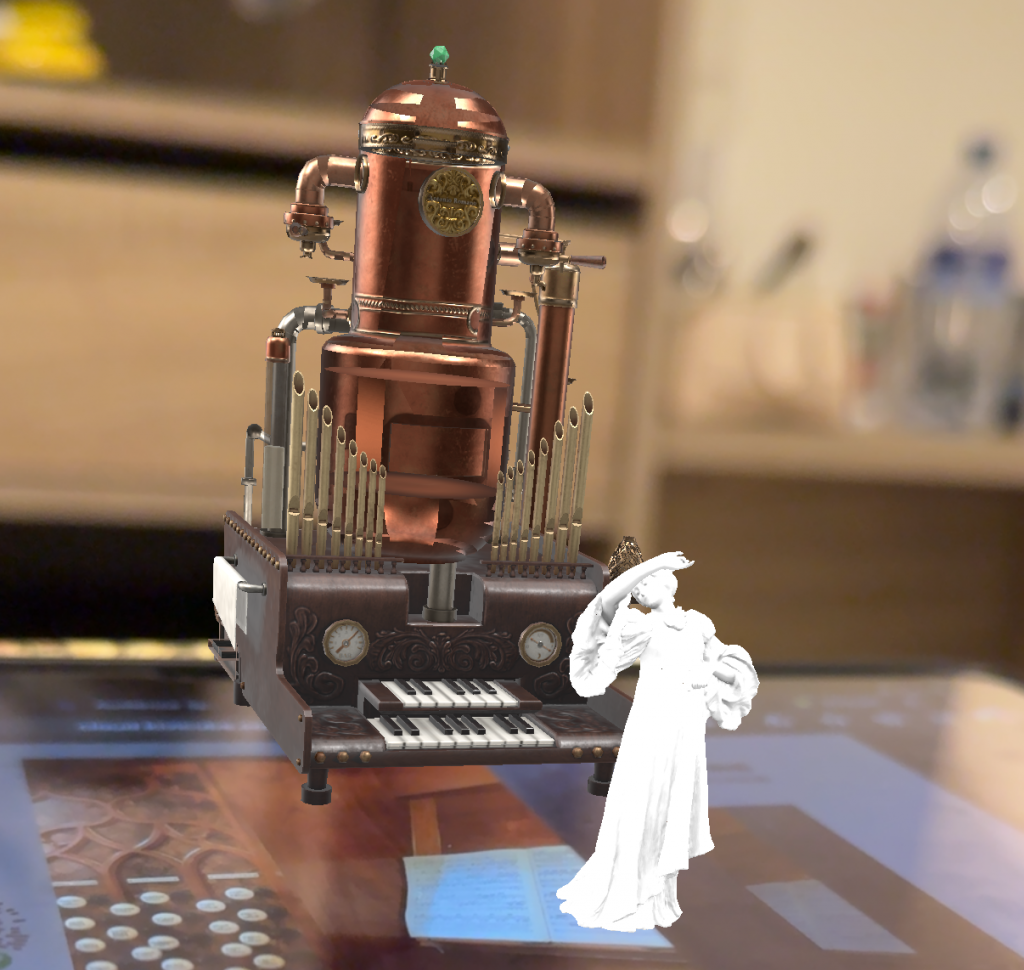
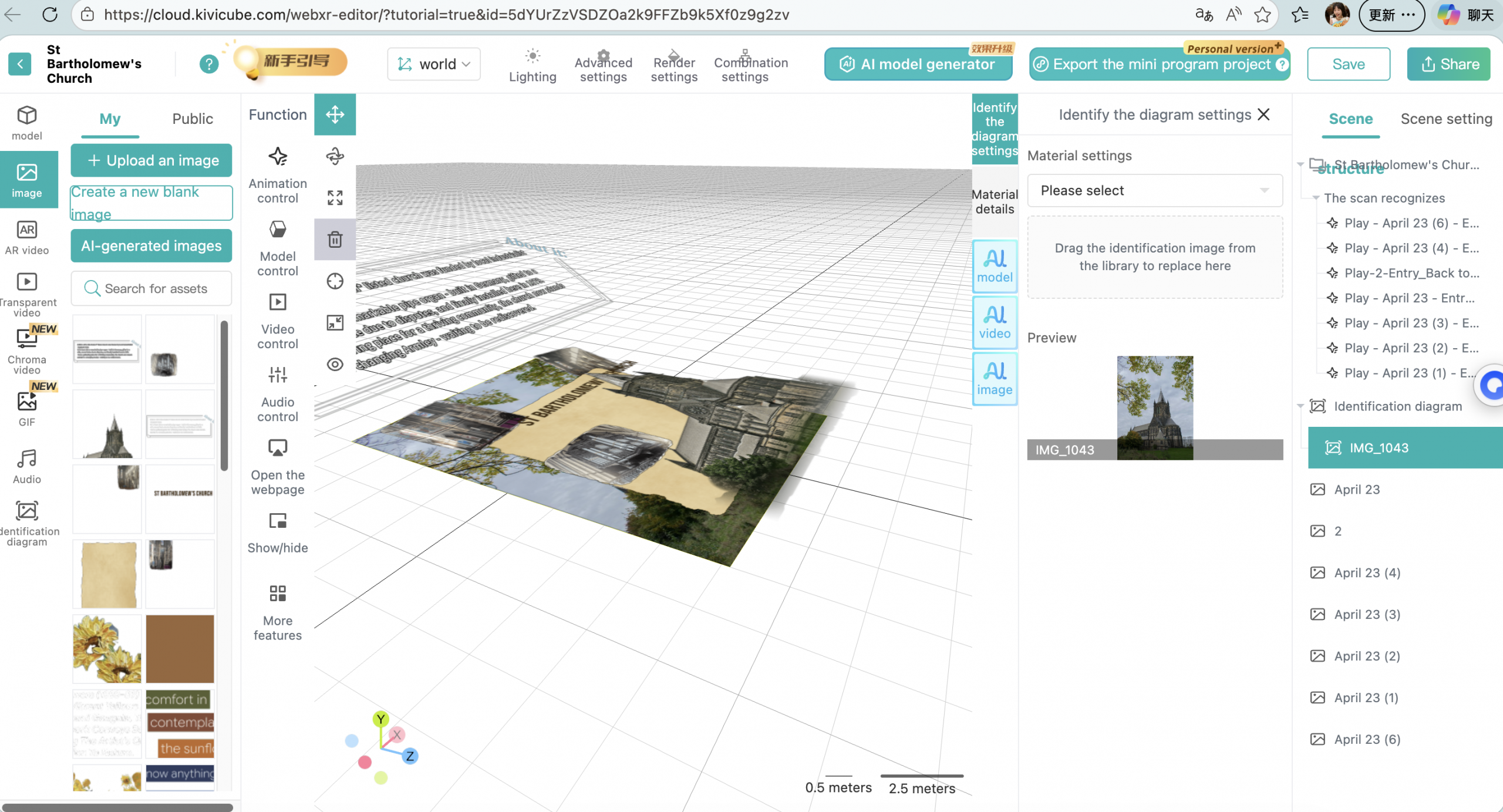
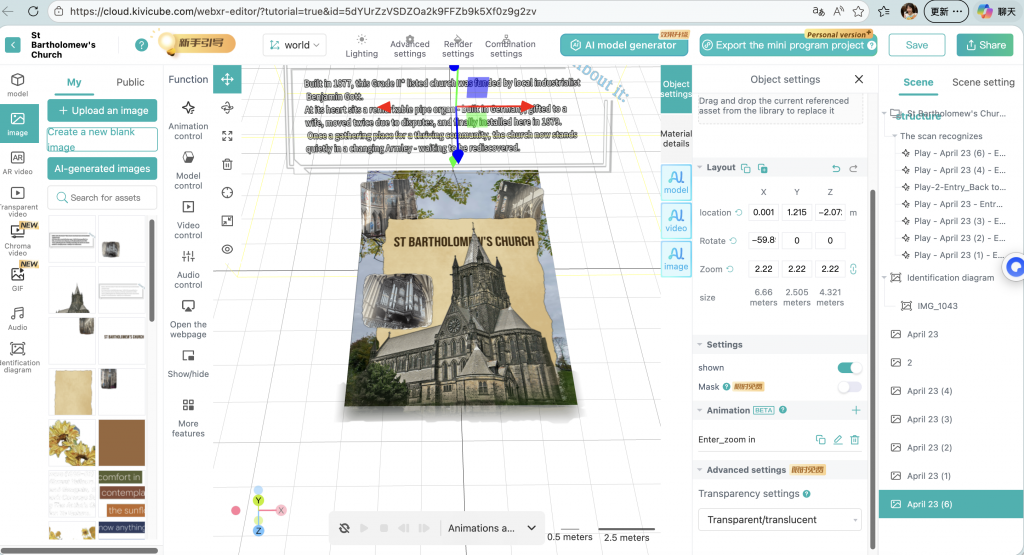
As part of the project, students were asked to research augmented reality and create A.R responses to the organ and the archive. Using Kivi Cube, a cloud-based, no-code, Web AR creation platform, they created dynamic augmented reality experiences. The students anchor the AR experiences to photographs, enabling participants to experience them outside the space itself. Students layered text, sound, photographs and caricatures to create their experiences
Lorem ipsum dolor sit amet, consectetur adipiscing elit. Ut elit tellus, luctus nec ullamcorper mattis, pulvinar dapibus leo.

-1.png)